

Fascia & Soffit Replacement in Dublin | Expert Roofline Services
Rotting, warped, or damaged fascia and soffit boards leave your roofline exposed to water ingress, pest infiltration, and structural decay. South Dublin Roofing and Chimney Repair provides expert fascia and soffit replacement across Dublin — using premium uPVC roofline systems built for Ireland’s climate. Free quotes, 25+ years experience, same-day emergency response.
Get a Quote
Professional Fascia & Soffit Replacement in Dublin
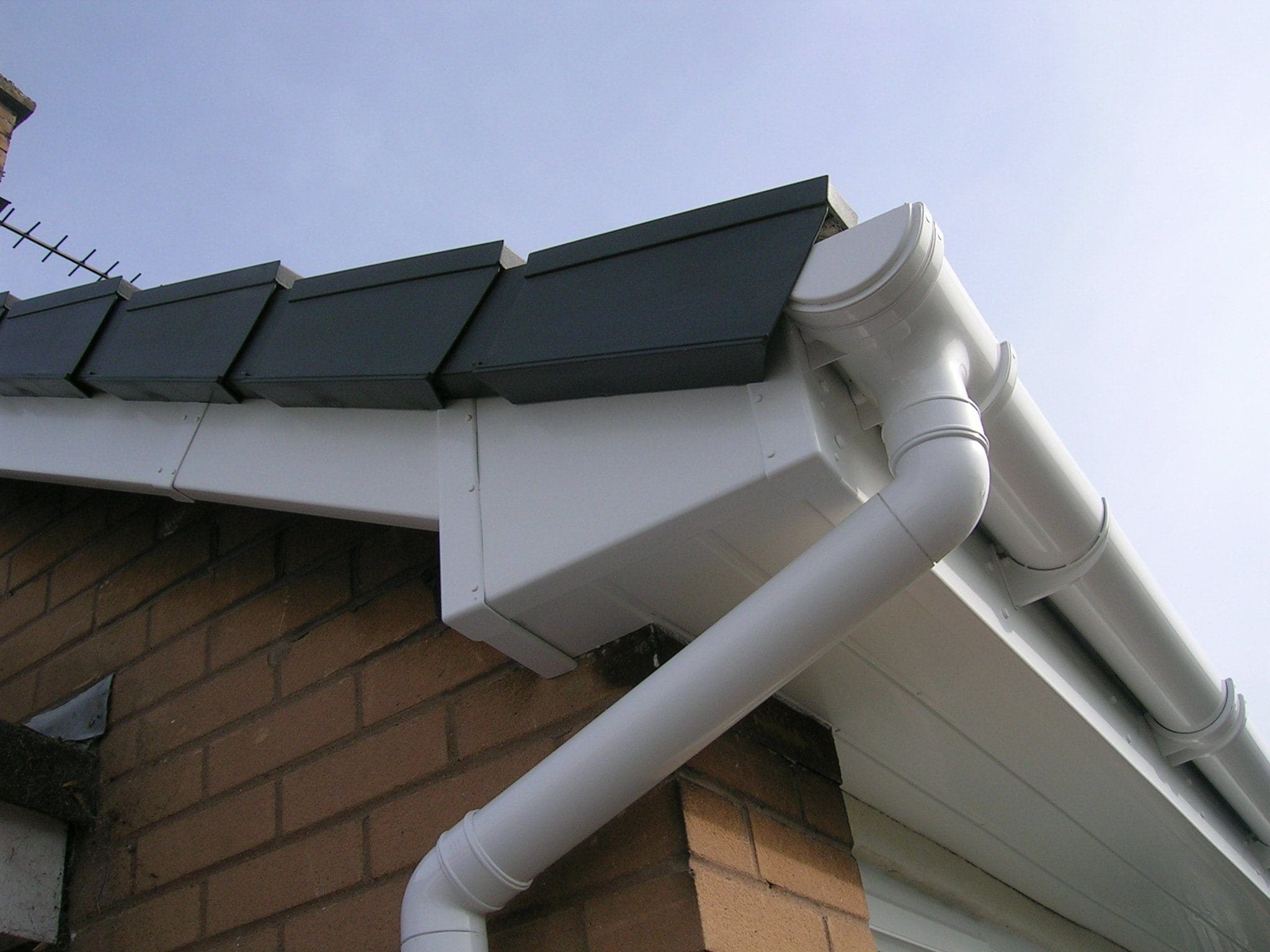
Fascia and soffit boards are the finishing layer of your roofline — and one of the most overlooked components of home maintenance. When they fail, the consequences extend well beyond appearance. Rotting fascia boards allow water behind the guttering, saturating timber rafters and causing structural decay. Damaged soffits remove the ventilation barrier that prevents moisture, mould, and pests from entering your roof space.
At South Dublin Roofing and Chimney Repair, we have over 25 years of experience replacing and repairing fascia, soffits, bargeboards, and full roofline systems across Dublin. We work with uPVC, timber, and aluminium — and serve both period properties requiring matched timber replacement and modern homes suited to low-maintenance uPVC systems.
We serve South Dublin, North Dublin, Dún Laoghaire–Rathdown, and all surrounding areas — residential and commercial.
The most common roofline failure point in Dublin homes isn’t the fascia itself — it’s the junction between the fascia board and the gutter bracket. When gutters fill with debris and overflow, water runs continuously across the fascia face and behind the bracket fixing point, causing rot to develop from the inside outward. By the time peeling paint or sagging is visible externally, the timber behind is often already structurally compromised. Early replacement prevents rafter end damage that costs significantly more to repair.
What Are Fascia & Soffit Boards — and Why Do They Matter?
Fascia Boards The fascia is the long horizontal board running along the lower edge of your roofline, fixed directly to the rafter feet. It carries your guttering, seals the roof edge against weather, and protects the ends of the roof rafters from direct exposure to rain and wind. In most Dublin homes built before the 1990s, fascia boards are timber — requiring periodic painting, treatment, and eventual replacement as they deteriorate.
Soffit Boards Soffits are the panels fitted beneath the roof overhang, spanning the gap between the fascia and the exterior wall. Beyond their visual function, soffits play a critical ventilation role — ventilated soffits allow airflow into the roof space, preventing condensation, moisture buildup, and the mould and timber decay that follows. Damaged or blocked soffits create stagnant air in the roof space, accelerating insulation deterioration and creating conditions for pest nesting.
Bargeboards Bargeboards (also called verge boards) run along the sloping edges of gable ends, protecting the roof structure at the sides. They’re frequently overlooked during maintenance — but deteriorating bargeboards are a significant water ingress point on gable-end properties.
Dry Verge Systems Dry verge caps provide a mortar-free seal along the gable roof edge, preventing wind uplift of verge tiles and water penetration — a common problem on exposed Dublin properties. We install dry verge systems as part of full roofline replacements.
Our Fascia & Soffit Services in Dublin
uPVC Fascia & Soffit Replacement We supply and fit premium uPVC fascia boards, soffit panels, and roofline systems across Dublin. uPVC is the most practical long-term choice for Irish conditions — it doesn’t rot, warp, or require painting, and handles Dublin’s persistent damp and coastal salt exposure without deterioration. Available in white, black, grey, brown, and woodgrain finishes to suit your home’s style.
Timber Fascia & Soffit Replacement For period properties — particularly Dublin’s Victorian and Edwardian terraces — where uPVC would be aesthetically inappropriate, we replace timber fascia and soffit boards using treated hardwood. We match existing profiles to maintain the original roofline appearance.
uPVC Over-Capping (Overcladding) If your existing timber fascia is structurally sound but deteriorating cosmetically, uPVC capping (fitting uPVC boards directly over existing timber) is a cost-effective alternative to full replacement. We assess the underlying timber condition honestly — if it’s too far gone for capping, we’ll tell you.
Bargeboard Replacement Dublin We replace deteriorating or storm-damaged bargeboards on gable-end properties across Dublin — using uPVC or timber matched to the existing roofline profile.
Dry Verge Installation We install dry verge systems on gable rooflines as part of new roofline work or as standalone upgrades, eliminating mortar verges that crack and allow water ingress.
Ventilated Soffit Installation We install ventilated soffit panels that maintain correct airflow into the roof space while providing a clean, maintenance-free finish. Over-fascia ventilation strips are fitted where required to comply with Building Regulations requirements for roof ventilation.
Roofline Repair For isolated damage — a single rotten section, a loose board, or a failed joint — we carry out targeted repairs rather than recommending unnecessary full replacement. We’ll always advise honestly on whether repair or replacement is the better option for your specific situation.
Emergency Fascia & Soffit Repair Storm damage, fallen boards, and sudden structural failures handled with same-day emergency response across all Dublin postcodes.
Signs Your Fascia or Soffit Boards Need Replacing
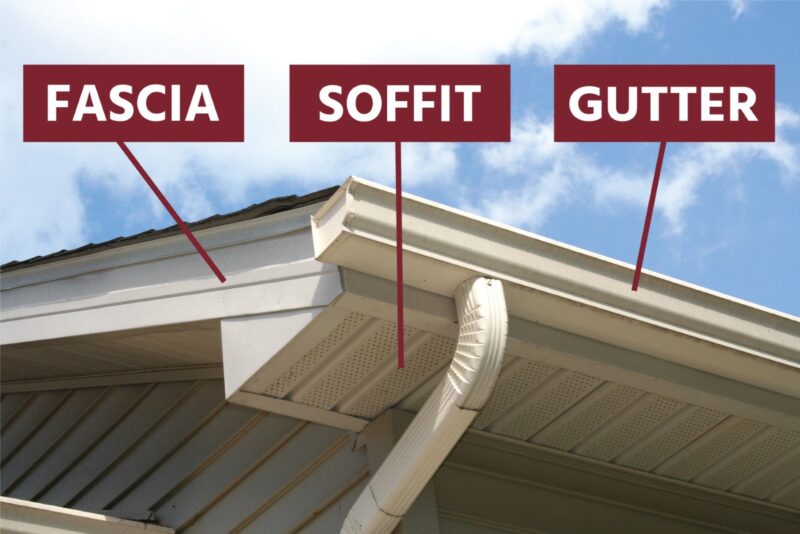
These are the warning signs to look out for:
- Peeling paint or flaking on fascia or soffit boards
- Visible rot, softness, or crumbling on timber boards
- Gutters sagging, pulling away from the fascia, or leaking behind the bracket
- Damp patches on the internal ceiling or walls at the roofline level
- Visible gaps between soffit panels or between soffit and fascia
- Evidence of birds, bats, or rodents entering the roof space
- Blocked or missing soffit vents causing poor attic ventilation
- Moss or algae growth on soffit panels
If you notice any of these, contact us for a free inspection. Fascia and soffit deterioration accelerates rapidly once water begins to penetrate — early replacement is consistently more cost-effective than delayed action.
uPVC vs. Timber: Which Is Right for Your Dublin Home? For most modern Dublin semi-detached and detached homes, uPVC is the clear long-term choice — it’s maintenance-free, weatherproof, and typically lasts 25–40 years. For Victorian and Edwardian period properties, particularly in conservation areas or where architectural character is important, timber replacement is often the more appropriate option. We provide honest, property-specific advice on material choice. For a full comparison, see our guide: uPVC vs. Wooden Fascia & Soffits for Dublin Homes.
How Much Does Fascia & Soffit Replacement Cost in Dublin?
| Service | Typical Cost Range |
|---|---|
| Fascia board repair (section) | €150 – €400 |
| Soffit board repair (section) | €100 – €300 |
| uPVC fascia replacement (per linear metre) | €45 – €80 installed |
| uPVC soffit replacement (per linear metre) | €35 – €65 installed |
| Bargeboard replacement | €200 – €600 |
| Dry verge installation | €300 – €800 |
| Full roofline replacement — 3-bed semi-detached | €1,000 – €1,500 |
| Full roofline replacement — detached house | €1,800 – €3,500+ |
| uPVC over-capping (per linear metre) | €30 – €55 |
| Emergency callout repair | €150 – €400 |
Scaffolding adds €300–€1,000 depending on property height and access. Replacing fascia, soffit, and gutters together in a single visit saves significantly on scaffolding and labour costs — we recommend combining this work where possible.
We always provide a fully itemised written quote before work begins. No hidden costs, no surprises.
Benefits of Professional Fascia & Soffit Replacement
Stops Water Damage at the Roofline New fascia and soffit boards seal the roof edge completely — preventing water from reaching rafter ends, timber roof structure, and the top of your external walls. This is the primary structural benefit of timely replacement.
Restores Roof Space Ventilation Ventilated uPVC soffits maintain correct airflow into the attic, preventing condensation, mould growth, insulation damage, and the structural timber decay that follows prolonged moisture exposure.
Eliminates Pest Access Intact soffit boards with close-fitting profiles and vented panels deny access points for birds, bats, squirrels, and rodents — all common problems when roofline boards deteriorate on Dublin properties.
Zero Maintenance for Decades uPVC requires no painting, treating, or sealing — ever. An occasional wash with soapy water is all it needs. Compared to timber boards that require repainting every 3–5 years, the lifetime maintenance saving is substantial.
Improves Kerb Appeal & Property Value A fresh, clean roofline transforms the external appearance of a Dublin home. It’s one of the highest-impact, lowest-cost exterior upgrades available — and estate agents consistently cite roofline condition as a factor in buyer perception.
How to Maintain Your Fascia & Soffit Boards
Even low-maintenance uPVC roofline systems benefit from basic care:
Clean twice yearly — Clear moss, dirt, and debris from soffit panels and fascia faces using a soft brush or low-pressure rinse. Avoid high-pressure washing that forces water behind boards.
Keep gutters clear — Overflowing gutters are the #1 cause of fascia board deterioration. Regular gutter cleaning prevents water running continuously across the fascia face. See our gutter repair service →
Check soffit vents — Ensure ventilation slots are not blocked by debris or compressed attic insulation. Blocked vents remove the moisture protection they provide.
Inspect after storms — Check for lifted boards, cracked panels, or dislodged sections after high winds. Temporary gaps allow water and pests in rapidly.
Book professional inspections — Annual roofline checks catch early deterioration before it becomes structural. We include roofline condition in all our roof inspections.
H2: Why Choose South Dublin Roofing and Chimney Repair?
25+ Years Roofline Experience We’ve replaced fascia and soffit systems on every type of Dublin property — modern estates, period terraces, commercial buildings, and everything in between.
All Materials & Profiles Covered uPVC, timber, aluminium, over-capping, bargeboards, dry verge systems — we carry the full range of roofline products and match existing profiles on older properties.
Honest Repair vs. Replace Advice We inspect before we quote. If a repair will solve the problem, we’ll tell you — we won’t recommend full replacement when it isn’t necessary.
Free Written Quotes, No Hidden Costs Every job starts with a free site inspection and fully itemised written quote. You know the full cost before we start.
24/7 Emergency Response Storm damage and sudden board failures handled with same-day response across all Dublin postcodes.
Fully Insured & Warranted All roofline work is fully insured and backed by a workmanship warranty.
Related Services
Roofline replacement is most cost-effective when combined with related work:
- Gutter Repair & Replacement Dublin — replace gutters alongside fascia for maximum savings on scaffolding
- Roof Leak Repair Dublin — address roof leaks discovered during roofline inspection
- Full Roofing Services Dublin — complete roof and roofline assessment
- All Roofing & Chimney Services Dublin — full service range