

When was the last time you checked your fascia and soffits? Fascia and soffits are more important for Ireland. They protect your home from rain, wind, and damp. They keep water out, support your gutters, and help your attic breathe.
When fascia and soffits start to rot, damage can spread fast. This can cause leaks, mould, weak gutters, and expensive repairs.
That’s why spotting problems early is so important. Knowing the warning signs, what causes rot, and when to consider fascia and soffit replacement in Dublin can save you a lot of trouble.
In this guide, you will learn what usually causes fascia and soffit damage. You will also find out how to spot issues early, the options for fascia board repair in Ireland, and when a full replacement is the smarter choice.
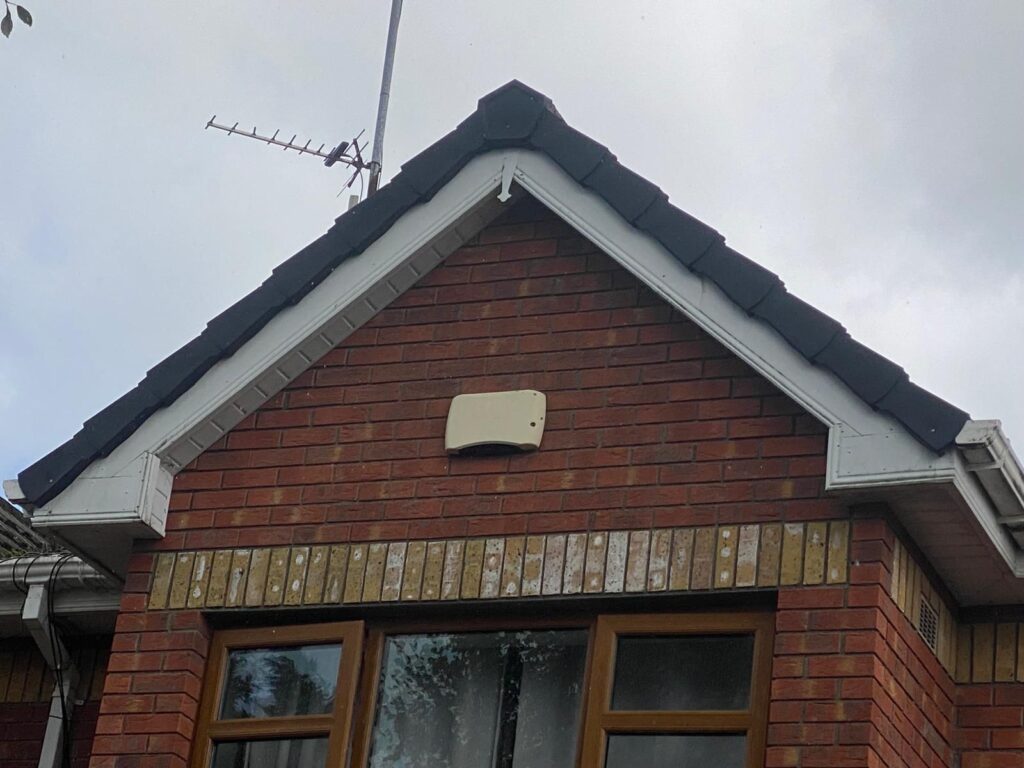
Understanding Fascia and Soffits on a House
Many homeowners ask, “What is a soffit and fascia?” or “What is the fascia on a house?” These are important parts of your roof.
In Ireland’s wet weather, fascia and soffits protect your roof edges from rain. They also support gutters, help air flow in the attic, and make your home look nice.
The fascia is the vertical board along the roofline. The soffit is the horizontal panel under the roof overhang.
Together, they keep water out, stop pests from getting into your attic, and improve ventilation. Knowing what fascia and soffit are helps you spot problems early and avoid costly repairs.
What Fascia Boards Do in the Roofing System
The fascia is the board along the lower edge of your roof. Its main jobs are:
- Hold and support the gutters
- Protect the roof edges from rain and wind
- Act as a barrier against the weather
- Make the roofline look neat
If fascia boards start to rot, crack, or warp, it can be a sign of water problems or gutter issues.
What Soffits Do and How They Help Roof Ventilation
The soffit is the panel under the roof overhang. It helps keep your attic healthy by:
- Letting fresh air into the attic
- Reducing moisture and stopping mould
- Keeping birds and insects out
- Giving the roof a finished look
If soffits fail, moisture can build up in the attic. This can damage timber and insulation.
How Gutters, Fascia & Soffits Work Together
Gutters, fascia, and soffits work as a team. If one part fails, the others can get damaged too.
Clogged gutters can soak the fascia and cause it to rot. Rotten fascia lets water into the soffit and blocks attic ventilation. Damaged soffits let in water and pests, making problems worse.
In short: clogged gutters → rotten fascia → damaged soffits → poor ventilation. Small issues can quickly turn into big roof problems.
What Causes Rotten Fascia and Soffits in Ireland?
Rotted fascia and damaged soffits are common in Irish homes, especially in Dublin. Wet weather and storms put a lot of strain on roofs. Fascia damage often starts with small soft spots, peeling paint, discoloration, or mould. But it spreads quickly if ignored.
Common causes include moisture, water leaks, blocked gutters, birds or pests, and old timber exposed to harsh weather.
Ireland’s Wet Weather & Moisture Exposure
Frequent rain, high humidity, and storms make wood rot more likely. Fascia boards soak up water, causing soft spots, mould, and peeling paint. Homes in Dublin and near the coast are most at risk. Regular checks can catch problems early.
Gutter Overflow & Poor Drainage
Blocked or slow-draining gutters let water back up along the roofline. This soaks the fascia boards and can rot them quickly. Damaged fascia also harms the soffits below. Even small problems can turn into major water damage if ignored.
Bird & Pest Damage Around Fascias
Birds and pests like to nest in weak or rotten fascia. They can make holes and spread damage. Look for droppings, nesting material, or visible gaps. To prevent this, repair rot quickly, seal gaps, and consider bird guards.
Aging Timber Fascia Boards
Old wooden fascia boards rot more easily. They show soft spots, mould, and discoloration. Moisture, storms, and age weaken timber over time. Modern options like PVC or aluminium last longer, resist rot in Ireland’s wet climate.
Warning Signs of Rotten Fascia Dublin Homeowners Should Look For
Dublin homes face a lot of rain and damp weather. This can damage fascia boards. Checking them early can save money. Watch for these signs of rot: peeling paint, water stains, soft spots, mould, and gaps where pests can get in.
Visible Rot, Soft Spots, Mould & Wood Decay
Press gently on your fascia boards. If they feel soft or spongy, they may be rotting. Look for dark spots or mould. These show the wood has been wet for too long. Early action can stop the damage from spreading.
Peeling Paint, Discoloration & Water Marks
Check for paint that is peeling or flaking. Notice any discoloration or watermarks along the roofline. These are early signs that water is getting into the wood. Homes in wet areas of Dublin need extra attention.
Gaps, Holes & Pest Entry Points
Birds, mice, and insects love damaged fascia. Small holes, gaps, or signs of nests show pests are getting in. Fixing these gaps early can save your roofline and attic from more damage.
When Fascia Damage Becomes Structural
If fascia damage gets worse, it can affect your roof’s strength. Look for sagging gutters, weak roof edges, or rafter problems.
At this stage, rotten fascia repair in Dublin is urgent. Fixing it quickly can stop bigger, more expensive damage.
The Damage Rotten Fascia and Soffits Can Cause
Rotten fascia and soffits may look small at first. But ignoring them can lead to big, expensive problems. In Dublin, water stains, mould, and pest nests are often the first signs. If left alone, rot can damage roof beams, insulation, ventilation, and gutters.
Water Penetration Into Rafters & Roof Edges
Rot lets water slip past the roofline. It seeps into rafters and roof edges. Over time, the wood weakens. This can mean replacing fascia boards or even fixing large parts of the roof.
Attic Moisture, Mould & Airflow Problems
Water in the attic makes it damp. Mould can grow, insulation can get ruined, and airflow drops. This makes your home colder or hotter and can spread damage elsewhere.
Gutter Collapse or Pulling Away
Fascia boards hold up gutters. When they rot, gutters may drop, pull away, or fall. This can cause extra water damage and higher repair costs.
Pest Access to the Attic or Soffit Area
Rotting fascia makes gaps. Birds, mice, and insects can get inside. Pests can make damage worse and mean repairs become urgent.
When Should You Replace Fascia and Soffits?
Knowing when to replace fascia and soffits can save you time and money. In Dublin, rotten fascia repair may be urgent if the boards are badly damaged. Fascia usually lasts 15–25 years. But wet and windy Irish weather can make them wear out faster.
Red Flags That Require Immediate Replacement
Replace fascia and soffits right away if you see:
- Soft or spongy wood
- Water is leaking around the roof edges
- Dropping or loose gutters
These signs mean your roofline is no longer protected. Acting fast can prevent bigger problems.
When Repairs Aren’t Enough
Sometimes small fixes don’t work. Full replacement is needed if:
- Rot has spread widely
- The wood is structurally weak
- Water has damaged the roof framing
Trying small repairs in these cases can lead to the same problems again.
Seasonal Considerations for Irish Weather
The best time to replace fascia and soffits in Ireland is during drier months. Late spring to early autumn is ideal. Rain, strong winds, and high humidity can make work harder and affect paint or adhesives. Planning around the weather helps your repair last longer.
Fascia and Soffit Replacement Options in Dublin
Replacing fascia and soffits in Dublin is easier when you pick the right material and installer. You can choose timber, PVC, or aluminium boards. Each lasts different lengths of time and needs different care. Hiring professional installers in Dublin or trusted fascia and soffit specialists in Ireland makes sure the job is done right. The best companies can also help you choose the right material.
PVC Fascia vs Aluminium vs Timber
| Fascia Type | Key Features | Pros | Cons |
| PVC Fascia Board | PVC fascia prices are Affordable, low-maintenance | Resists rot and mould, comes in many colours, and works well in Irish weather | Can look less premium than timber or aluminium |
| Aluminium Fascia | Strong, lightweight, durable | Long-lasting, handles storms well | Higher upfront cost |
| Timber Fascia | Traditional look, can be painted or stained | Classic appearance, customizable finish | Needs |
Fascia Replacement Costs in Ireland
If you’re wondering how much it costs to replace fascia and soffits in Dublin, it depends on several things. The price varies by materials, labour, scaffolding, disposal, and any emergency work. Roof size, material choice, and how easy it is to reach the roof also affect the cost.
Material Cost Breakdown (PVC, Aluminium, Timber)
Material is a big part of the total cost:
- PVC Fascia: Cheap, low-maintenance, easy to install. Usually, the cheapest option per metre.
- Aluminium Fascia: More expensive at first, very strong, and lasts a long time. Installation is slightly harder.
- Timber Fascia: Classic look, needs painting and regular care. Medium cost, can rot if not maintained.
Complex roof shapes or extra details can make materials and installation cost more.
Labour Costs & Extra Charges
Labour covers removing old fascia, fitting new boards, and adding soffit ventilation. Extra charges can include:
- Sitting for safe access
- Disposal of old fascia and soffits
- Extra fittings for gutters or supports
These fees can make up a big part of the total cost.
Emergency Fascia Repair Pricing
Urgent repairs in Dublin can cost more. Fast-tracked labour, scaffolding, and safety measures add to the price. Emergencies happen when gutters drop, leaks appear, or rot is severe. Acting quickly can save you from bigger repair bills later.
South Dublin Roofing and Chimney Repair – Expert Fascia and Soffit Replacement
For South Dublin homeowners, keeping your roofline safe is important. South Dublin Roofing and Chimney Repair has over 10 years of local experience. We are known for fast, reliable service, 24/7 emergency support, and excellent reviews. We make sure your home stays safe and dry all year.
How We Install Fascia and Soffits
Installing fascia and soffits yourself can be dangerous. Our team takes every step safely and professionally. We ensure boards are aligned, ventilated, and fitted correctly.
Step-by-Step Installation Process
- Remove old, rotten fascia and soffits.
- Inspect roof edges for rot or water damage.
- Fit new fascia boards carefully along the roofline.
- Install soffits with proper ventilation to stop moisture.
- Seal and finish for a clean, long-lasting look.
This keeps your roofline strong and protected from Irish weather.
Tools, Safety & Working at Height
We use scaffolding, ladders, harnesses, and special tools. Safety is our top priority. Proper measures prevent accidents and ensure boards are fitted correctly.
Why Hire Professionals in South Dublin
- Fully insured for your safety and property
- Guaranteed workmanship and quality
- Faster and more accurate than DIY
- Expert advice on PVC, aluminium, or timber
Local Regulations & Best Practices
We follow all Irish rules for fascia replacement. This includes making sure attics have proper ventilation, meeting fire safety standards, safely disposing of old timber, and following building codes. With South Dublin Roofing and Chimney Repair, you get fascia and soffit replacement that is safe, durable, fully compliant, and trusted by Dublin homeowners.
Conclusion
Taking care of your fascia and soffits is important to protect your Dublin home. They stop water damage, pests, and structural problems. Finding issues early and replacing damaged boards on time saves you money. Choosing strong materials like PVC or aluminium gives long-lasting protection in Ireland’s wet and windy weather.
If you see rotten fascia, peeling paint, sagging gutters, or mould, it’s time to call the experts. Professional installation keeps you safe, follows all Irish rules, and looks perfect.
For South Dublin homeowners, South Dublin Roofing and Chimney Repair has over 10 years of local experience. They handle everything from emergency fixes to full replacements. Their team delivers high-quality work, 24/7 support, and peace of mind.
Don’t let small problems turn into big repairs. Contact South Dublin Roofing and Chimney Repair today to keep your roofline strong and safe with expert fascia and soffit replacement.
What is soffit and fascia?
Fascia is the vertical board along the edge of your roof that holds the gutters. Soffit is the horizontal panel underneath. It helps with ventilation and stops pests from getting in.
How do I hang Christmas lights on fascia?
Use plastic clips or hooks made for fascia. Don’t use nails. Make sure the fascia is strong and in good condition. Always follow ladder safety rules.
How do I install fascia and soffit?
First, remove old boards and check for damage. Fit new fascia and ventilated soffits. Seal and finish the boards. It’s safer to hire a professional for this job.
How do I stop birds from nesting in fascia?
Fix any damaged fascia first. Use bird guards or mesh to block access. Check the roofline regularly and remove nests early.
How much does it cost to replace fascia and soffit?
Costs depend on the material, labour, scaffolding, and disposal. PVC is the cheapest, aluminium lasts longer, and timber needs upkeep. Emergency repairs cost more.
